Processing industry
The central offices of the manufacturing industry are managers and engineers in the industry, mechatronics, technicians and locksmiths, industrial operators and product makers.
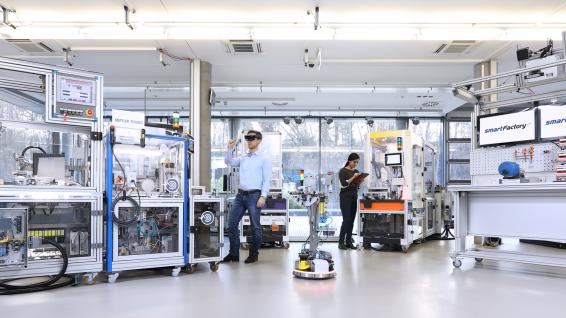
The number of jobs in the manufacturing industry is affected by technological changes, in particular by the high-tech innovation of the industry and the development of materials technology. For product and production development, the industry needs product development and industrial engineers.
Automation reduces the employment of skilled and unskilled workers, but at the same time more positions related to industry professionals, IT and engineering are needed. Automation also creates new job roles, such as robot controllers and data analysts or processors. Most new jobs are technology-based and require technology skills and knowledge.
18% of Estonian employees, i.e. more than 120,000 people, work in manufacturing unemployment. In the future, the most jobs will be created for managers, engineers and foremen; the number of jobs for mechatronics, technicians and locksmiths will also increase slightly. In the future, the number of jobs for industrial operators and manufacturers of products will decrease, especially in the garment, textile and leather industries and in the plastics and rubber industries.
In the manufacturing industry, 2/3 of engineers will be missing. Mechatrons, robotics and automatists are missing skilled workers. There are too few graduates in these specialties, which is why there will be jobs for all who acquire the speciality in the future.
Bakers, tailors, seamstresses, joinery and automotive mechanics will be trained in vocational education more than there will be jobs for them in the future.
Knowledge and knowledge of relevance in the future- Development skills for high-tech industrial equipment and equipment parks
- knowledge of materials and raw materials
- knowledge of optimization
- Knowledge of quality management
- Knowledge of natural and real-world knowledge
- Basic digital skills at the level of the skilled user <