Personal services
Personal services include hairdressing and other beauty services as well as spa and massage parlours.
The development of the personal services sector and the need for labour will be most affected in the next decade by general welfare growth, consumer purchasing power and changed values.
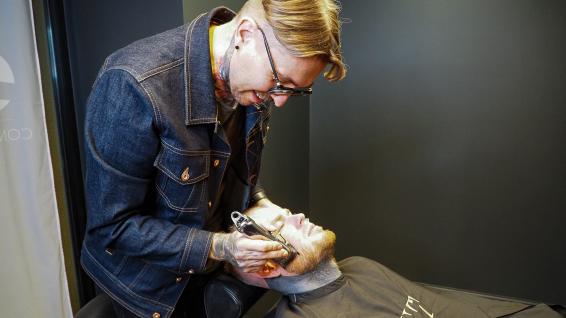
Personal services target groups have become more diverse, the silver economy and male awareness of beauty is growing. Novel products, procedures and services will be added to the field and expectations of their quality will be higher. The choice of services has a strong impact on people's attitudes (e.g. environmental sustainability), fashion trends and digital media. There is an increasing appreciation for the supportive and restorative effects of welfare services on both physical and mental health. Automation does not replace the work of personal service providers in the near future, and customers prefer personalised service.
About 8,000 people work in the personal services sector, the majority of whom offer hairdressing and beauty services. In the future, the number of jobs in personal services will remain the same as a whole. There will be jobs for beauticians and masseuses. There are more graduates of hairdressing and beauty service training if there are suitable employment opportunities for them.
Professional training is required in order to provide a high-quality and health-safe personal service. The training of personal service personnel is provided by private educational institutions and vocational schools. New services that are not taught at school have been added, e.g. permanent makeup, eyelash and eyebrow technician services, but professional training is also necessary for them from the health safety standpoint. In-service training is widely offered by private training institutions, professional associations, vocational training institutions and also by the companies themselves in the field. In addition, product demonstration training is provided by importers and dealers of products and equipment.
Knowledge and skills of relevance in the future- Health-related knowledge, including anatomy and physiology, skin construction and skin diseases, microbiology, cosmetic chemistry
- hygiene compliance, occupational safety, proper use of personal protective equipment and chemical substances
- knowledge of products and ingredients
- Properties of equipment, purposeful use and resulting health risks
- >Sales and marketing skills
- Entrepreneurship and budgeting skills
- >>Overall knowledge of digital security, copyright, personal data privacy and listening skills<