Clothing, textile and leather industries
Workers in the clothing, textile and leather industries are engaged in the production of clothing, fur products, knitted and crochet clothing, leather products, footwear and other ...
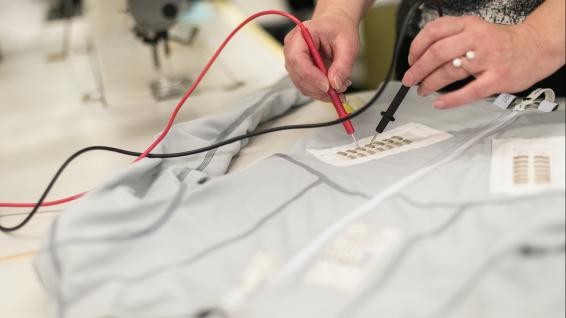
Changes in population, business model, technology and values affect the future of the garment, textile and leather industries. In order to ensure sustainability, entrepreneurs must engage in product development and production automation.
In the future, the number of jobs in the garment, textile and leather industries as a whole will decrease. This is particularly the case for seamstresses, as technological innovations and new business models are increasingly being introduced, the population is shrinking and expectations for the working environment and conditions are increasing. At the same time, the change in business models is leading to an increase in the number of jobs for designers, product development technologists and operators.
In the garment, textiles and leather industry as a whole, graduates of the specialties are missing, especially the need to replace retiring employees. The need for replacement is particularly high for skilled workers. Constructors, technologists and technicians are not adequately trained and, for example, the lack of training for mechatronics in Pärnu affects large companies in the clothing and textile industry. Operators are not enough to fill jobs either and the opening of in-service training courses should be considered. Seamers are trained less than labour needs and graduates often do not go into professional jobs. Designers, purchasing and sales specialists and tailors are trained enough.
In the garment, textile and leather industries, most of the employees are skilled workers and thus the most highly educated people are employed in this field. Training of employees in continuing education and retraining courses will become more important in the future.
Information is based on OSKA's study of the workforce and skills of the clothing, textile and leather industry, which forecast employment in the field until 2025.